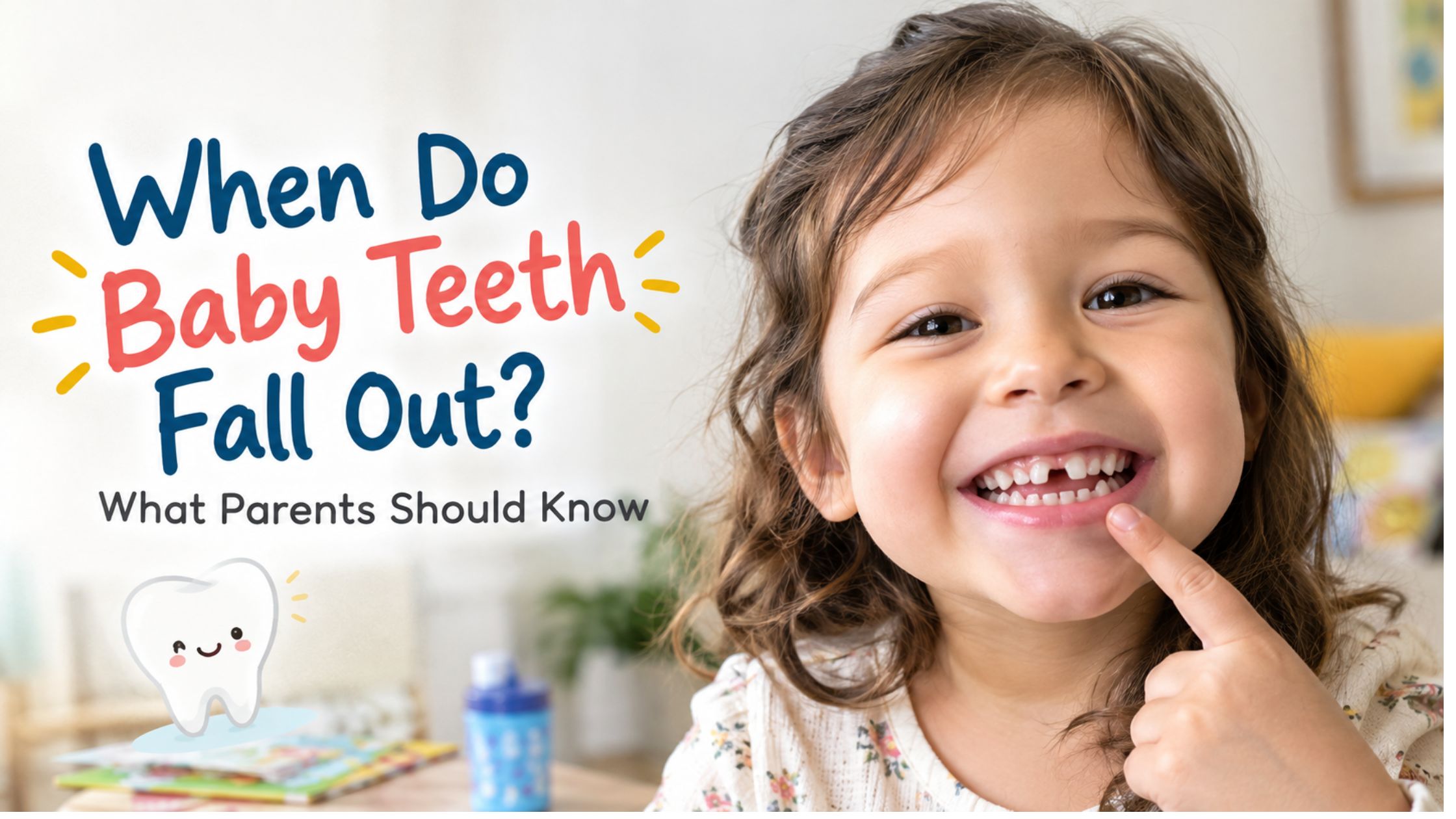
A wiggly tooth is one of those childhood moments which parents remember. Your child might be excited about losing a tooth, while you must be wondering whether it is happening at the right age.
So, when do baby teeth fall out? Most children start losing their primary teeth around age 6. However, there is plenty of normal variation. Some children start earlier, while others take a little longer.
Understanding what usually happens could help you support your child and recognize when professional dental advice would be needed and why children’s dentistry is important for the children with trusted care from Summit Village Family Dental.
When Does the First Baby Tooth Fall Out?
The first baby teeth generally become loose when a child is around 6 years old. The lower front teeth, known as the lower central incisors and first to go.
This happens as the permanent tooth develops beneath the primary tooth. The root of the baby tooth gradually breaks down, making the tooth increasingly loose until it eventually falls out.
A loose tooth would wobble for several days or weeks. Your child could gently move it with their tongue or a clean finger if they find that comfortable. There is usually no reason to pull it forcefully.
How Many Baby Teeth Do Children Have?
Most children have 20 primary teeth. Over many years, the primary teeth are replaced by permanent teeth. This means children have a combination of baby and adult teeth for much of their early school years.
The first permanent molars are slightly different. They grow back of the baby teeth rather than replacing them. These teeth generally appear around age 6 and need careful brushing because their position could make them difficult for young children to clean properly.
Which Baby Teeth Usually Fall Out First?
There is a pattern to primary tooth loss, although it does not happen at exactly the same age for every child.
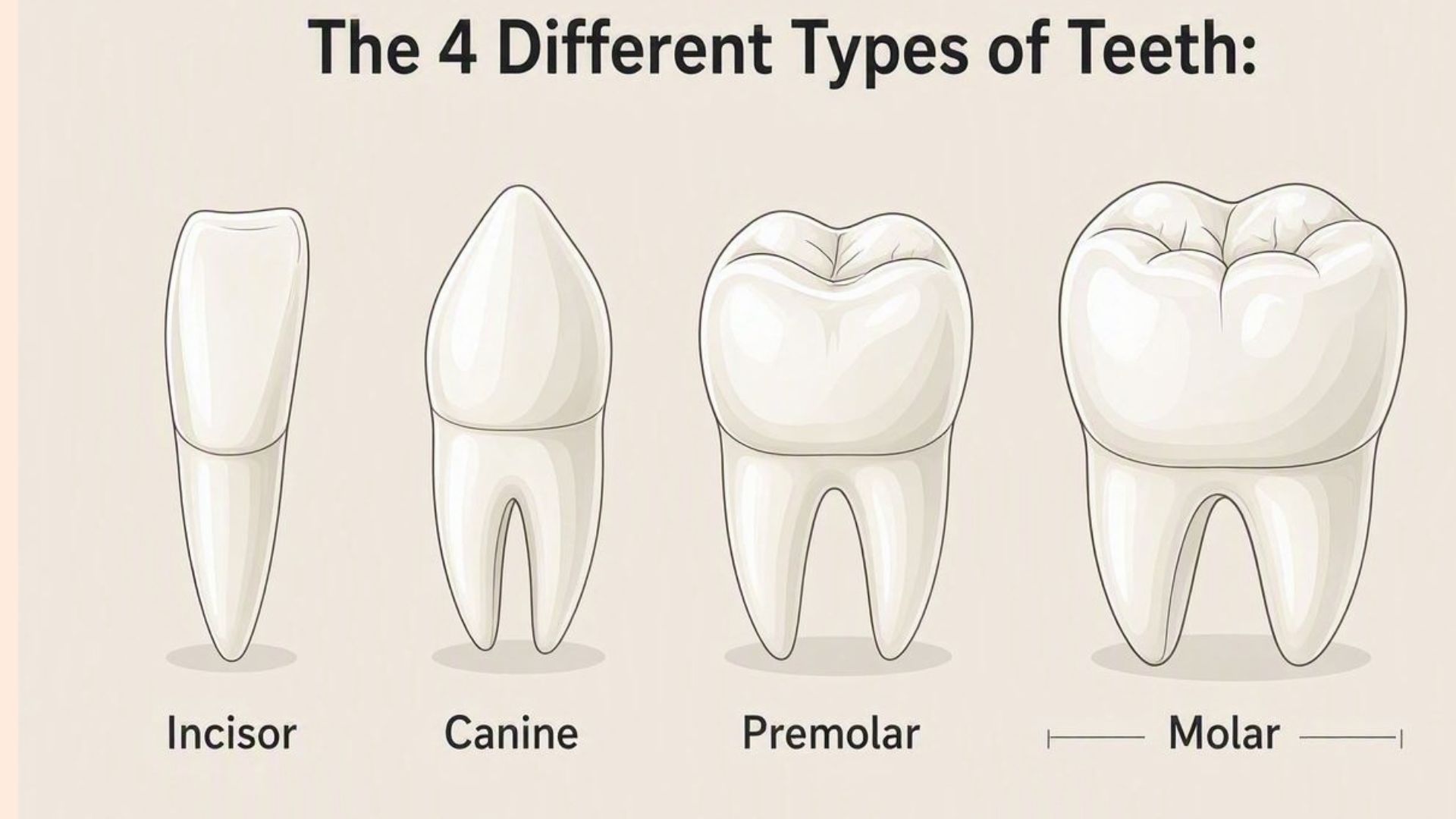
The bottom front teeth generally loosen first. The upper front teeth usually follow. The teeth beside the front incisors are generally next, while the primary molars and canines tend to be lost later.
A child’s sequence would differ slightly from another child’s without indicating a problem. Dental development is individual, so an exact tooth by tooth schedule should not be treated as a deadline.
Baby Teeth Loss Timeline
Here is a general guide to when primary teeth are generally shed:
|
Primary teeth |
Typical age range |
| Lower central incisors | 6 to 7 years |
| Upper central incisors | 7 to 8 years |
| Lateral incisors | 7 to 9 years |
| First molars | 9 to 11 years |
| Canines | 9 to 12 years |
| Second molars | 10 to 12 years |
These ages are approximate. A child would fall outside a particular range and still have normal development. A dentist could check the pattern if you have concerns about delayed or unusual tooth loss.
What Causes Baby Teeth to Fall Out?
Primary teeth are designed to make way for permanent teeth. As a permanent tooth develops, it gradually moves toward its position in the mouth.
During this process, the root supporting the baby tooth is resorbed. The primary tooth therefore becomes less stable and eventually comes out.
This natural process is different from losing a tooth because of decay or an accident. A tooth that becomes unexpectedly loose should be checked, particularly if your child has pain or has recently faced an injury.
What If a Baby Tooth Falls Out Too Early?
Sometimes a primary tooth is lost before expectation. Common causes include tooth decay, infection, or dental trauma.
Losing a baby tooth prematurely could sometimes affect the space needed for the permanent tooth. Near teeth would shift toward the empty area, depending on the child’s stage of development.
Your dentist would monitor the space or, in selected cases, recommend a space maintainer. The decision depends on factors such as the tooth involved, the child’s age and the condition of the surrounding teeth.
What If an Adult Tooth Comes In Before the Baby Tooth?
Parents sometimes notice a permanent tooth appearing behind or beside a baby tooth. This could make the teeth look as though they are forming two rows.
Although this could look bad. It could happen during a normal eruption. If the primary tooth is already loose, it would come out naturally as the permanent tooth continues to develop. If the baby tooth remains firmly attached while the permanent tooth continues emerging, contact your child’s dentist. An examination could understand whether further treatment is necessary.
Is It Normal to Lose Teeth After Age 7?
Yes. Not every child loses their first tooth at exactly the same age. A child who reaches age 7 without losing a tooth would still have completely normal dental development. Genetics and personal growth patterns could influence the timing of eruption and shedding. However, speak with a dentist if you notice persistent pain, swelling, unusual tooth positioning, significant asymmetry, or other changes that seem concerning.
How Should You Care for Your Child’s Teeth?
Losing baby teeth does not mean oral hygiene becomes less important. Both primary and newly erupted permanent teeth need protection from tooth decay.
Help your child brush twice a day using fluoride toothpaste. You need a rice sized smear for children younger than 3 and a pea sized amount for children aged 3 to 6. Younger children generally need help and supervision while brushing.
As permanent teeth come out, pay attention to the chewing surfaces of the back teeth. Cleaning between teeth is also important wherever the teeth touch. Regular dental visits help your child’s dentist to monitor oral health, eruption and developing alignment.
What Should You Do When a Baby Tooth Falls Out?
Most naturally shed teeth really need very little care. If there is minor bleeding, a soft bit of pressure using clean gauze could help. Also try to keep yourself relaxed. Some children get really intrigued by the whole process while others might feel a bit anxious. Let your child ask questions and don’t make it feel like they have to remove the tooth, before it is actually ready. If the tooth was lost from an accident not from normal shedding, then contact a dental professional for guidance.
When Should You Contact a Dentist?
A dental checkup is that your child experiences pain, swelling, unusual bleeding or an injury involving a tooth. You should also look for advice if a primary tooth is lost substantially earlier than expected or if a permanent tooth appears while the baby tooth remains firmly in place. If a baby tooth is knocked out, do not place it back into the socket. Contact your dentist for instructions and assessment of the injury.
Helping Your Child Through This Milestone
For most children, losing primary teeth is a normal part of growing up, you know. The whole process usually begins around age 6, and it goes on gradually over several years. Instead of comparing your child’s smile with another child’s, try to focus on their healthy development and those solid daily routines. Regular brushing helps, give a balanced diet too, and don’t skip the scheduled dental appointments, even if things seem fine. If you’re not sure whether your child’s tooth loss pattern looks normal, talk with your dentist. They could take a look at their smile and share guidance based on that child’s personal development.
Dental care can help treat cavities and reduce the risk of losing teeth unnecessarily.
Final Thoughts
Baby teeth falling out is a normal childhood milestone, but every child has an individual dental timeline. Most children begin losing their first teeth at the age of 6, with the lower front teeth commonly leading the way.
Good oral hygiene is important throughout the transition. Keep brushing with fluoride toothpaste, healthy eating habits, and maintain regular dental checkups.
When something seems not right, especially pain, swelling, injury, premature tooth loss, or an adult tooth appearing while a baby tooth remains, your child’s dentist could give the right guidance.
Frequently Asked Questions
Should I pull my child’s loose baby tooth?
Usually, there is no need to pull it. Allowing the tooth to loosen naturally is generally preferable. Avoid forceful removal, particularly if the tooth remains firmly attached.
Why is a permanent tooth growing behind a baby tooth?
A permanent tooth can sometimes erupt before the primary tooth has fallen out. If the baby tooth remains firm, your child’s dentist should evaluate the eruption pattern.
Can cavities cause baby teeth to fall out early?
Yes. Extensive decay can weaken a primary tooth and lead to premature loss. Early dental care can help treat cavities and reduce the risk of losing teeth unnecessarily.