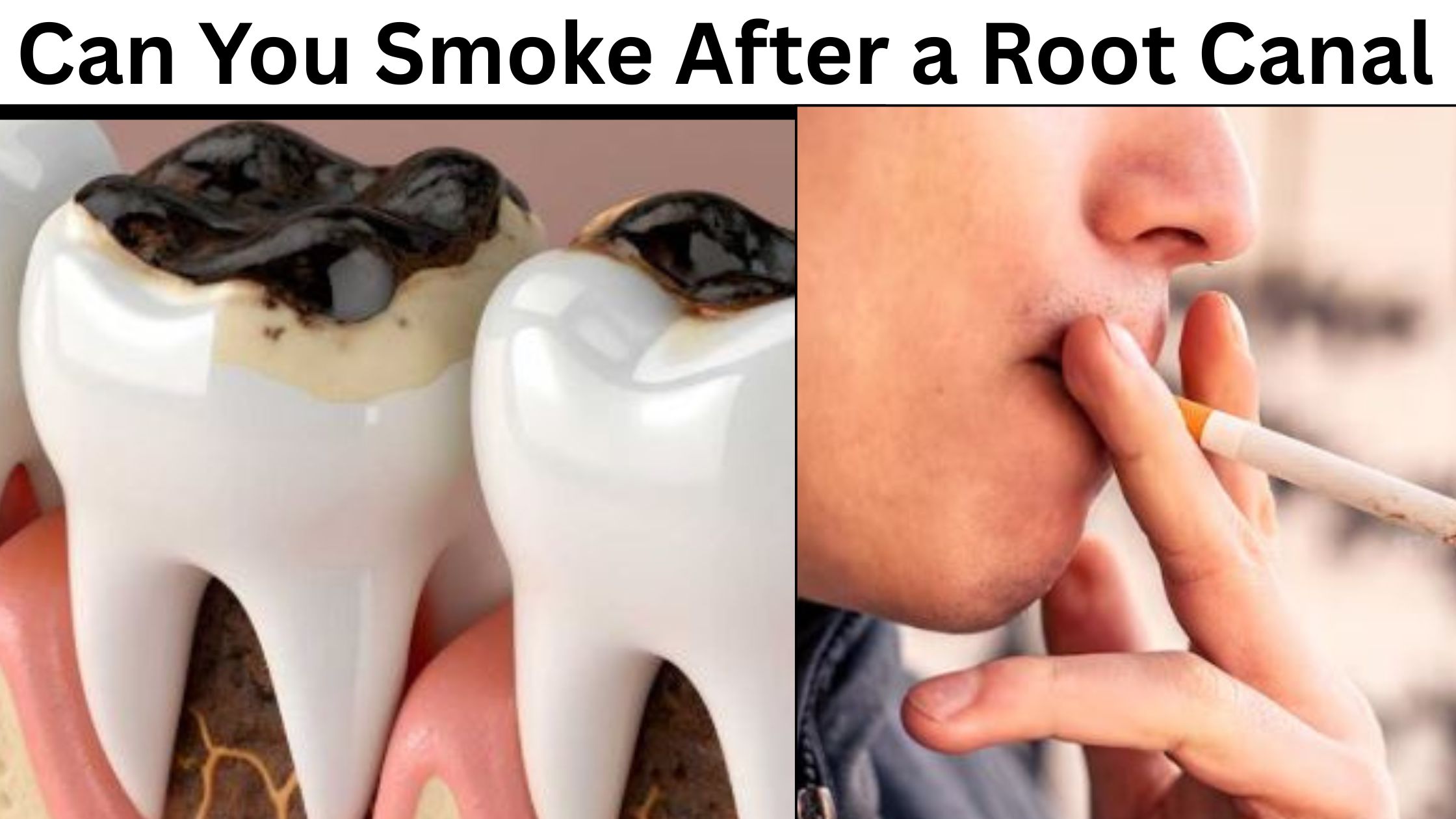
Can you smoke after a root canal? Technically, you can, but it is strongly better to avoid smoking while your mouth is recovering. A root canal treats infection or inflammation inside a tooth by removing the damaged pulp, cleaning the root canal system, and sealing it. Even though the inside of the tooth has been treated, the tissues surrounding it may remain irritated or tender for a short time.
Smoking has nicotine, heat, and other chemicals into the mouth. Nicotine could affect blood vessels and smoking is associated with poorer oral health and periapical disease. For these reasons, avoiding tobacco during recovery is a sensible choice.
There is no scientifically established 24 or 48 hour rule that applies to every root canal patient. Your dentist may need a particular period based on the procedure you had, the condition of your tooth, and whether you also underwent oral surgery. If your dentist gave you specific aftercare instructions, those instructions should be taken seriously.
Why Should You Avoid Smoking After a Root Canal?
A root canal does not leave your mouth completely unaffected. The tissues around the treated tooth could be sensitive after the procedure, particularly if there was substantial inflammation or infection beforehand. Avoiding cigarettes during recovery may help you avoid unnecessary irritation while also supporting better overall oral health.
Nicotine Can Affect Circulation
Nicotine causes blood vessels to narrow. Smoking has also been associated with changes in tissue oxygenation and processes involved in wound healing. Good circulation is important for tissue repair because blood supplies oxygen and nutrients to recovering tissues. This does not mean that one cigarette would automatically damage a root canal. Instead, it means that avoiding tobacco gives your mouth a better environment for recovery.
Cigarette Smoke Can Irritate Sensitive Tissues
Your gums and the area around a recently treated tooth would be sensitive. Hot smoke and tobacco chemicals could irritate the tissues of the mouth. Smoking could also contribute to dry mouth and unpleasant breath or taste, which may make the recovery period less comfortable. If your mouth already feels irritated, avoiding smoke is a simple way to remove an additional source of irritation.
Smoking Is Associated With Oral and Periapical Problems
Smoking has well established negative effects on oral health. Research has found that tobacco smoking and apical periodontitis, a form of inflammation involving the tissues around the root of a tooth. A systematic review and meta analysis found that smokers had a higher prevalence of apical periodontitis and root canal treatment compared with nonsmokers. Research has also reported an association between smoking and radiolucent periapical lesions in root-filled teeth. These findings should not be interpreted as proof that smoking automatically makes every root canal fail.
Smoking May Not Be Helpful During Recovery
Evidence about smoking and the long-term success of root canal treatment is not completely consistent. Some studies suggest poorer healing among smokers, while other systematic-review evidence has not found a statistically significant relationship between smoking and post-endodontic apical disease. Because of this uncertainty, it is better to avoid exaggerated claims such as “smoking will make your root canal fail.”
How Soon Can You Smoke After a Root Canal?
There is no single waiting time that is right for every patient. For a routine nonsurgical root canal, your dentist would advise you to avoid smoking during the initial recovery period. The right advice could change depending on what happened during treatment.
You may need additional caution if:
- You had a large abscess or significant infection.
- The tissues around the tooth are very swollen or painful.
- You had an apicoectomy.
- You underwent another type of oral surgery.
- You received stitches.
- You have a temporary restoration.
- Your dentist gave you specific smoking restrictions.
If you could avoid smoking for longer, that is generally preferable for your oral health.
What If You Had an Apicoectomy?
An apicoectomy is a surgical procedure involving the tissues around the end of a tooth root. Because it involves a surgical wound, its aftercare should not be treated exactly like the aftercare for a routine root canal. If you had an apicoectomy, follow your surgeon’s postoperative instructions about smoking, food, oral hygiene, and activity.
Can You Vape After a Root Canal?
It is best to avoid vaping while your mouth is recovering. Many vaping products contain nicotine, and nicotine could affect blood vessels and tissue-healing processes. Vaping could also contribute to oral dryness or irritation. At the same time, research specifically examining vaping immediately after root canal treatment is limited. It would therefore be inappropriate to claim that vaping definitely causes root canal failure..
What If You Smoke Immediately After Your Root Canal?
If you already smoked after your appointment, don’t assume that you have ruined the treatment. A single cigarette does not mean that your root canal has failed. The sensible response is to stop again and continue following your dentist’s instructions.
You can:
- Drink water if your mouth feels dry.
- Keep your mouth clean according to your dentist’s instructions.
- Avoid putting unnecessary pressure on the treated tooth.
- Follow any instructions about your temporary filling or crown.
- Monitor your symptoms.
- Contact your dentist if pain or swelling becomes worse.
The goal is not to panic over one cigarette. The goal is to avoid continued tobacco exposure while your mouth is recovering.
What Should You Not Do After a Root Canal?
Smoking is only one part of root canal aftercare.
Don’t Eat While Your Mouth Is Still Numb
Local anesthesia could temporarily reduce sensation in your lips, cheeks, and tongue. Wait until the numbness has worn off before eating so you don’t accidentally bite your cheek or tongue or burn yourself with hot food.
Don’t Chew Hard Foods on the Treated Tooth Without Guidance
If you have a temporary filling or your dentist has advised you to protect the tooth until a permanent restoration is placed, avoid hard, crunchy, or sticky foods on that side. Your dentist could tell you when normal chewing is right.
Don’t Ignore Your Permanent Restoration
A root canal treats the inside of the tooth, but the tooth may still need a permanent restoration. Depending on the tooth and how much healthy structure remains, the dentist would suggest a crown or another restoration. Keep your follow-up appointment and ask what type of restoration is right for you.
Don’t Put Aspirin Directly on the Tooth or Gums
Aspirin should not be placed directly against the gums or tooth to treat dental pain. It could irritate or chemically burn soft tissues. If you need pain relief, ask your dentist, doctor, or pharmacist which medication is right for you.
How Can You Recover More Comfortably?
Good aftercare is usually simple.
Keep Your Mouth Clean
Continue brushing and flossing as recommended by your dental professional. Be gentle around any area that is particularly tender.
Drink Enough Water
Staying hydrated could help with dry mouth, especially if you are avoiding smoking or experiencing mouth dryness.
Take Medication Correctly
If your dentist prescribed medication, use it as directed. Ask a healthcare professional if you are not sure which medication is safe for you.
Protect the Treated Tooth
Follow your dentist’s instructions about chewing, temporary fillings, crowns, and other restorations.
Avoid Tobacco
If possible, avoid cigarettes, cigars, smokeless tobacco, and vaping while your mouth is recovering. If quitting is difficult, ask your healthcare professional about evidence based support.
How Long Does Root Canal Pain Last?
Some tenderness after root canal treatment is possible. When biting or chewing.The amount and duration of discomfort vary between patients. A tooth that was badly inflamed or infected before treatment may feel different from a tooth that had a less complicated problem.What matters is the overall trend. If your symptoms are gradually improving, that is generally reassuring. If pain becomes significantly worse, swelling develops, or new symptoms appear, contact your dentist.
Can Smoking Cause a Root Canal to Fail?
This question deserves a careful answer.
Smoking does not guarantee root canal failure.
Research investigating smoking and endodontic outcomes has produced mixed findings. Some research has associated smoking with persistent periapical disease or delayed healing, while another systematic review did not find a statistically significant association between smoking and post-endodontic apical periodontitis.
Therefore, it would be misleading to tell patients that a cigarette would automatically cause their root canal to fail.The better-supported advice is to avoid tobacco because smoking is harmful to oral health and could negatively affect tissue healing processes.
Is One Cigarette After a Root Canal Dangerous?
One cigarette does not automatically mean that something has gone wrong.However, avoiding even that cigarette is the better choice while your mouth is recovering. If you already smoked, don’t panic. Stop smoking again, follow your dentist’s instructions, and contact your dental office if you develop worsening pain, swelling, fever, drainage, or other concerning symptoms.
Can You Use Nicotine Gum After a Root Canal?
Nicotine replacement therapy could help some people control nicotine cravings, but the appropriate product depends on the individual. Nicotine gum also involves chewing, which may be uncomfortable if the treated tooth is sensitive.Speak with your dentist or doctor before choosing a nicotine-replacement product. Depending on your situation, another form of nicotine replacement may be more appropriate.
Can Smoking Delay Root Canal Healing?
Smoking could interfere with biological processes involved in tissue healing, and research has associated smoking with delayed healing in some dental conditions.However, healing after a root canal depends on many factors, including the original infection, the quality of the root canal treatment, the condition of the surrounding tissues, the final restoration, and the patient’s overall health.Smoking is only one potential factor.
Conclusion
Avoid smoking after a root canal, generally while your mouth is healing. There is no fixed rule that everyone must wait exactly 24 or 48 hours, as the recommended time could depend on the treatment and your dentist’s advice. Smoking introduces nicotine and other harmful chemicals into the mouth, which could affect oral health and healing. Although research on smoking directly causing root canal failure is not completely clear, avoiding tobacco is still the safer choice. If you have already smoked, do not worry. Stop smoking, follow your dentist’s aftercare instructions, and seek dental advice if you notice unusual pain, swelling, or other serious symptoms.
Frequently Asked Questions
Can smoking cause bad breath after a root canal?
Yes, smoking could worsen bad breath by reducing saliva and leaving tobacco residues in the mouth. Maintaining good oral hygiene could help keep breath fresher.
Can smoking stain a tooth after root canal treatment?
Smoking could cause external tooth staining over time. If a treated tooth becomes noticeably darker, your dentist could check if the change comes from internal or external causes.
Does smoking affect saliva production after a root canal?
Smoking reduces saliva flow, causing dry mouth. Saliva helps protect oral tissues and teeth, so persistent dryness should be discussed with your dentist.
Can smoking change the taste in your mouth after a root canal?
Yes, tobacco smoke could temporarily alter taste perception and leave an unpleasant flavor. Persistent or unusual taste changes should be checked by your dentist..
Can smoking affect the gums around a root canal tooth?
Smoking could affect gum tissues by reducing blood flow and altering normal immune responses. Good gum health remains important for maintaining the treated tooth long-term.
Can You Smoke After a Root Canal With Temporary Filling?
Smoking after a root canal with a temporary filling is not recommended. It interferes with healing and may increase the risk of complications. Don’t smoke while recovering.
Can You Smoke After a Root Canal Without a Crown?
You could smoke after a root canal without a crown, but it is better to avoid smoking. Smoking would affect healing, while delaying permanent restoration can increase fracture risk.