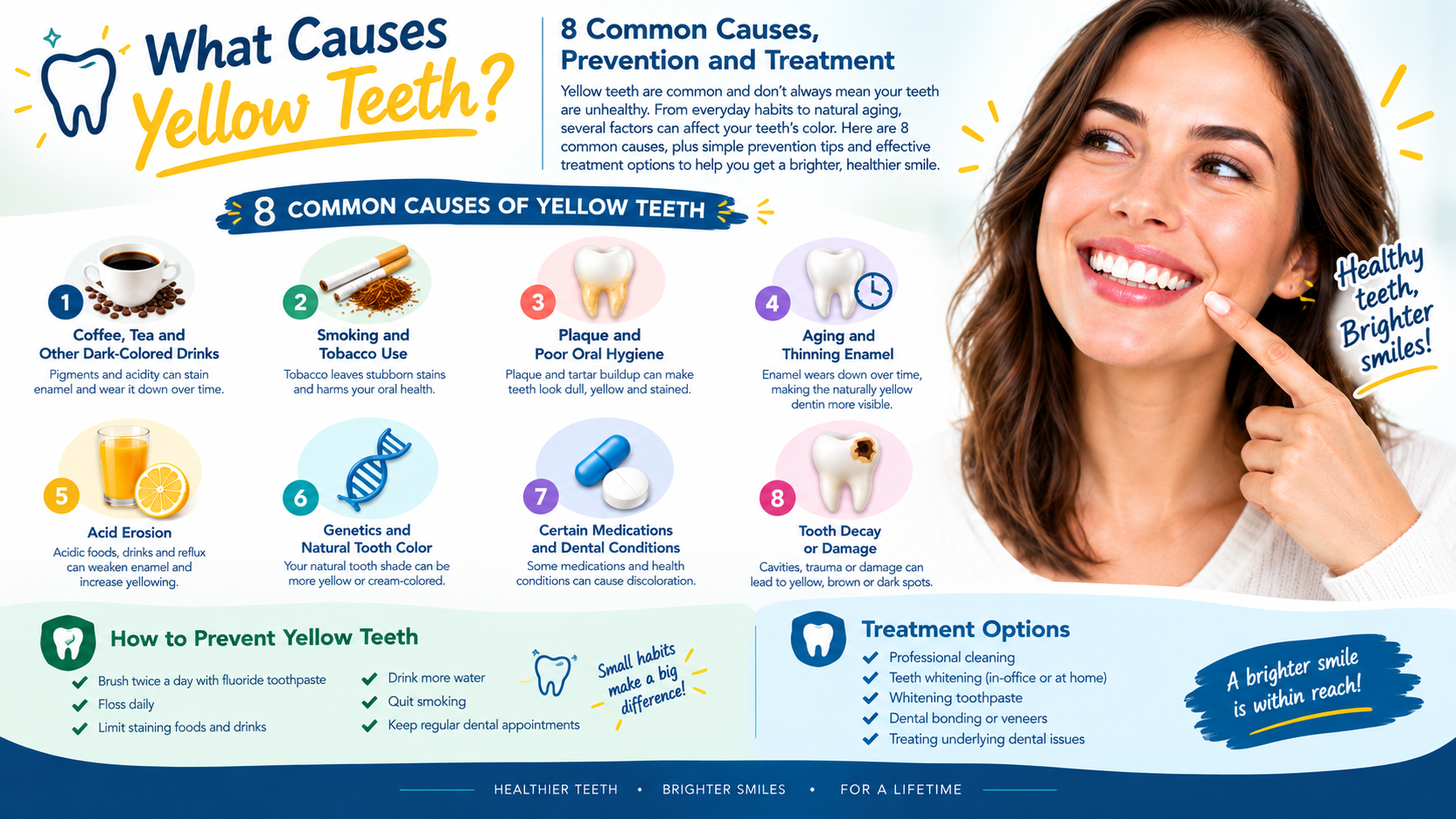
A yellowish smile does not mean your teeth are unhealthy. Tooth color naturally changes, and some people have more visible yellow dentin beneath their enamel. However, lifestyle habits, oral hygiene, aging, medications, and certain dental conditions could also change how teeth look.
Knowing the reason behind discoloration is important because cleaning, whitening, or dental treatment would be appropriate depending on the cause.
What Causes Yellow Teeth?
Tooth discoloration is generally classified as extrinsic, meaning it happens on the outside surface, or intrinsic, meaning it happens within the tooth. Some people experience both types.
1. Plaque and Tartar
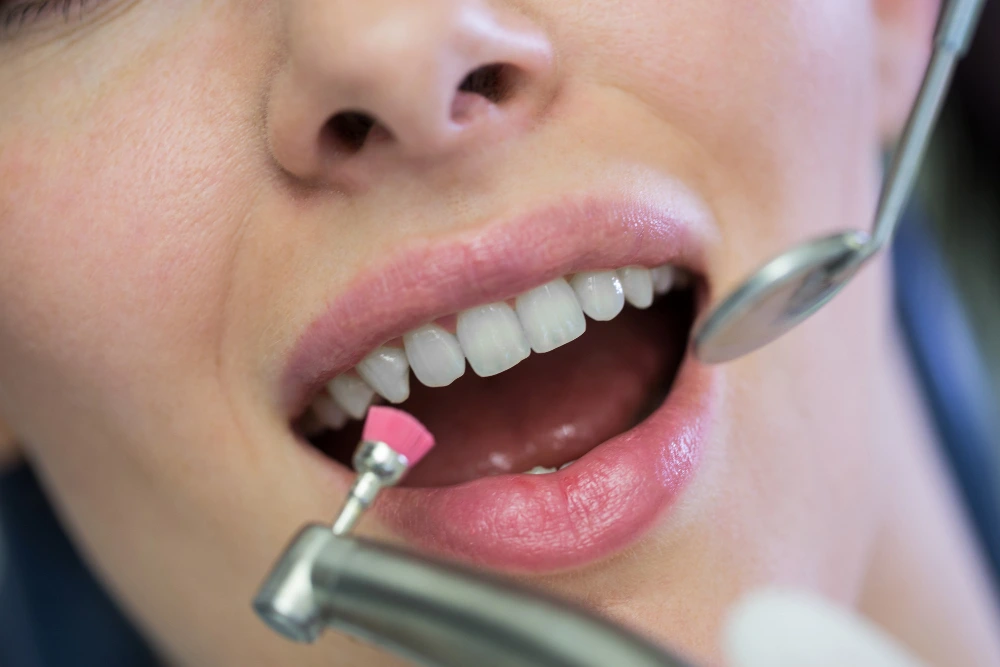
When plaque is not removed regularly, it could connect around teeth and gums. Over time, plaque could harden into tartar, also called calculus. These deposits could make teeth appear dull or yellow. Brushing twice daily with fluoride toothpaste and cleaning between your teeth could help control plaque. Hardened tartar cannot be removed effectively with ordinary brushing and may need professional cleaning.
2. Coffee, Tea and Staining Foods
Coffee, tea, cola, red wine, and strongly colored foods could contribute to surface staining. Their pigments could accumulate on enamel, particularly when they are consumed frequently. You do not have to remove every staining food. Drinking water afterward and maintaining consistent oral hygiene could help limit buildup.
3. Smoking and Tobacco
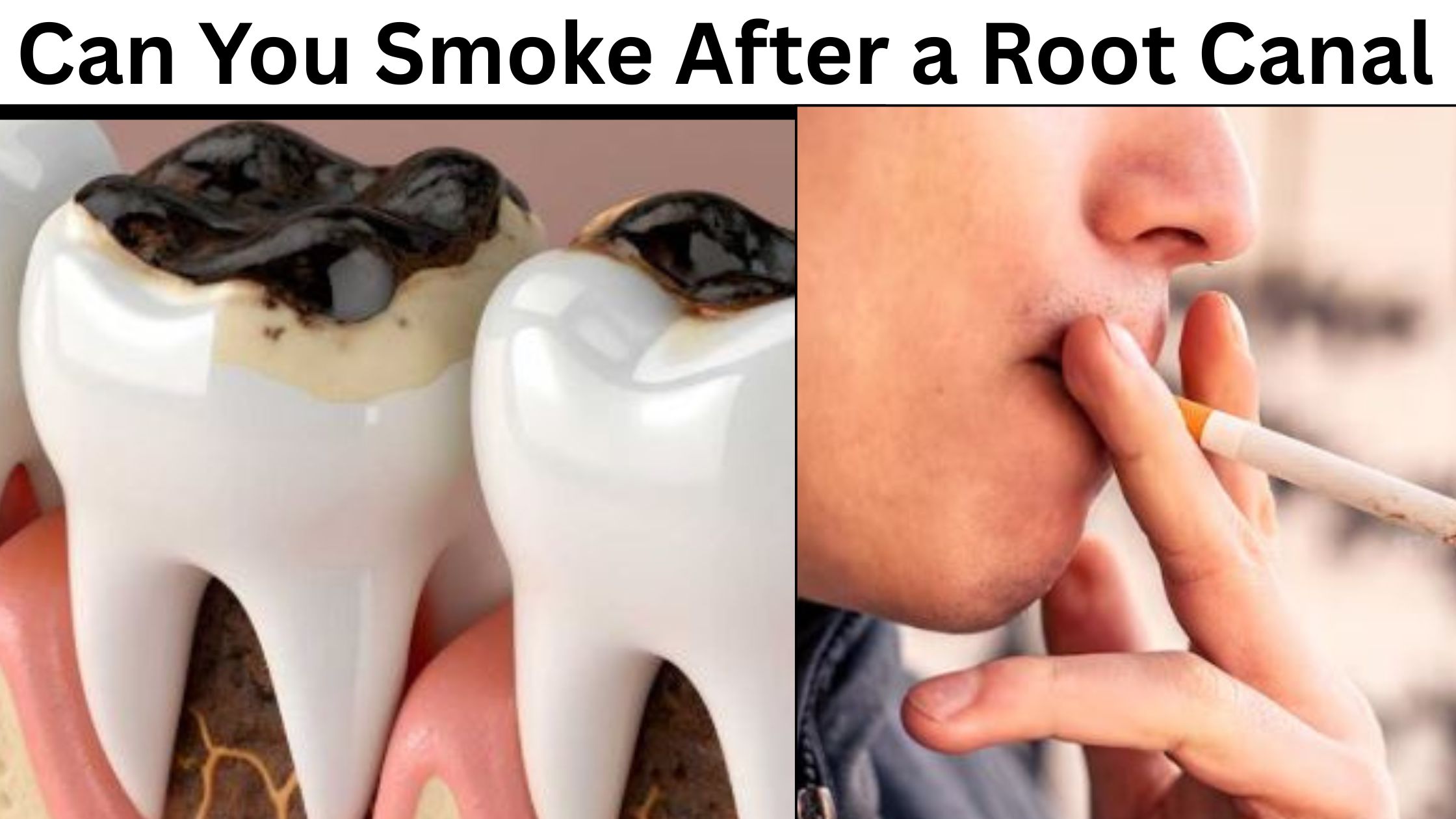
Tobacco is a main cause of tooth staining. Cigarettes and smokeless tobacco could also harm the gums and increase the risk of serious oral health problems, including oral cancer. Quitting tobacco is one of the most valuable steps for protecting your mouth. If tobacco has caused noticeable discoloration, a dentist could understand your teeth and recommend suitable cosmetic options and smoking after a root canal can cause yellow teeth because the nicotine and tar in cigarette smoke stain the surface of the teeth
4. Aging and Enamel Changes
Teeth could naturally look darker as you get older. Enamel gradually becomes thinner and more translucent, helping the yellowish dentin underneath to show through more clearly. This does not necessarily mean your teeth are unhealthy. Whitening would improve certain stains, but it cannot completely change your natural tooth structure or guarantee a specific shade.
5. Certain Medications
Some medications could cause internal tooth discoloration. Tetracycline antibiotics are a well known example when exposure happens while teeth are developing. Other medical or dental factors could also alter tooth color. If you suspect medication related discoloration, speak with your dentist or doctor. Never stop a prescribed medicine without professional guidance.
6. Fluorosis and Enamel Conditions
Dental fluorosis could happen when excessive fluoride exposure happens while permanent teeth are developing. Depending on its severity, fluorosis may produce white markings or darker areas on affected teeth.
Other enamel development conditions could also change tooth appearance. A dental examination could help distinguish these issues from ordinary surface staining.
7. Dry Mouth
Saliva naturally helps keep the mouth’s environment stable, and it also helps with clearing up food debris. When saliva flow is reduced it could make daily oral cleaning more difficult, and, yes, it may raise the odds for tooth decay or other issues. Dry mouth often goes along with dehydration, certain medications, or specific health conditions, kind of like a chain reaction. If the symptoms persist , it’s best to talk with a dentist or a healthcare professional soon.
8. Decay, Trauma or Internal Tooth Problems
A discolored tooth is not always just stained, like some kind of surface thing. Tooth decay, earlier trauma, changes on the inside of the tooth, and other dental conditions could also cause clear color shifts. Notice it a bit more carefully if only one tooth suddenly shifts shade, suddenly. A professional dental check could help uncover the underlying reason before any cosmetic treatment gets considered.
How to Prevent Yellow Teeth
You cannot deal with every natural change in tooth color, but several habits could reduce avoidable staining and support healthy teeth:
- Brush twice daily with fluoride toothpaste.
- Clean between your teeth every day.
- Drink water after staining foods or beverages.
- Limit frequent sugary and acidic drinks.
- Avoid smoking and tobacco products.
- Maintain regular dental visits.
- Use whitening products exactly as directed.
Avoid brushing. Excessive pressure could contribute to enamel wear and potentially make the underlying yellow dentin more noticeable.
Can Yellow Teeth Become White Again?
Sometimes. Professional cleaning could improve remove surface deposits and stains, while right teeth whitening treatments could lighten certain types of discoloration. Results depend on the underlying cause.
Whitening options include dentist supervised treatments and right products. Common temporary side effects include tooth sensitivity and gum irritation.
Be cautious with DIY whitening methods. Acidic ingredients, abrasive mixtures, and some charcoal products have limited evidence for effectiveness and may potentially damage tooth surfaces.
Also remember that whitening affects natural teeth. Tooth colored crowns, veneers, fillings, and other restorations may not change shade in the same way.
When Should You See a Dentist?
Arrange a dental examination if discoloration:
- Appears suddenly
- Affects only one tooth
- Comes with pain or sensitivity
- happens alongside swelling or bleeding gums
- Appears with cracks, holes, or rough areas
- Does not improve after appropriate cleaning
Summit village family dental has the best dentist could understand whether the color change comes from surface staining, tartar, enamel changes, decay, trauma, or another internal problem.
Conclusion
Yellow teeth could come from a bunch of different things like regular staining from coffee or tea, plaque buildup and basically normal wear, then aging too. It also includes tobacco exposure, certain medications, enamel problems or even internal dental issues. At the same time , your natural tooth tone might just lean a bit yellowish, and that alone doesn’t always mean something is wrong.
The safest approach is to figure out what’s causing the color change before you try whitening. Doing steady oral hygiene, keeping up sensible eating choices, avoiding tobacco, and getting routine professional dental care could really help keep your smile looking better without extra surprises.
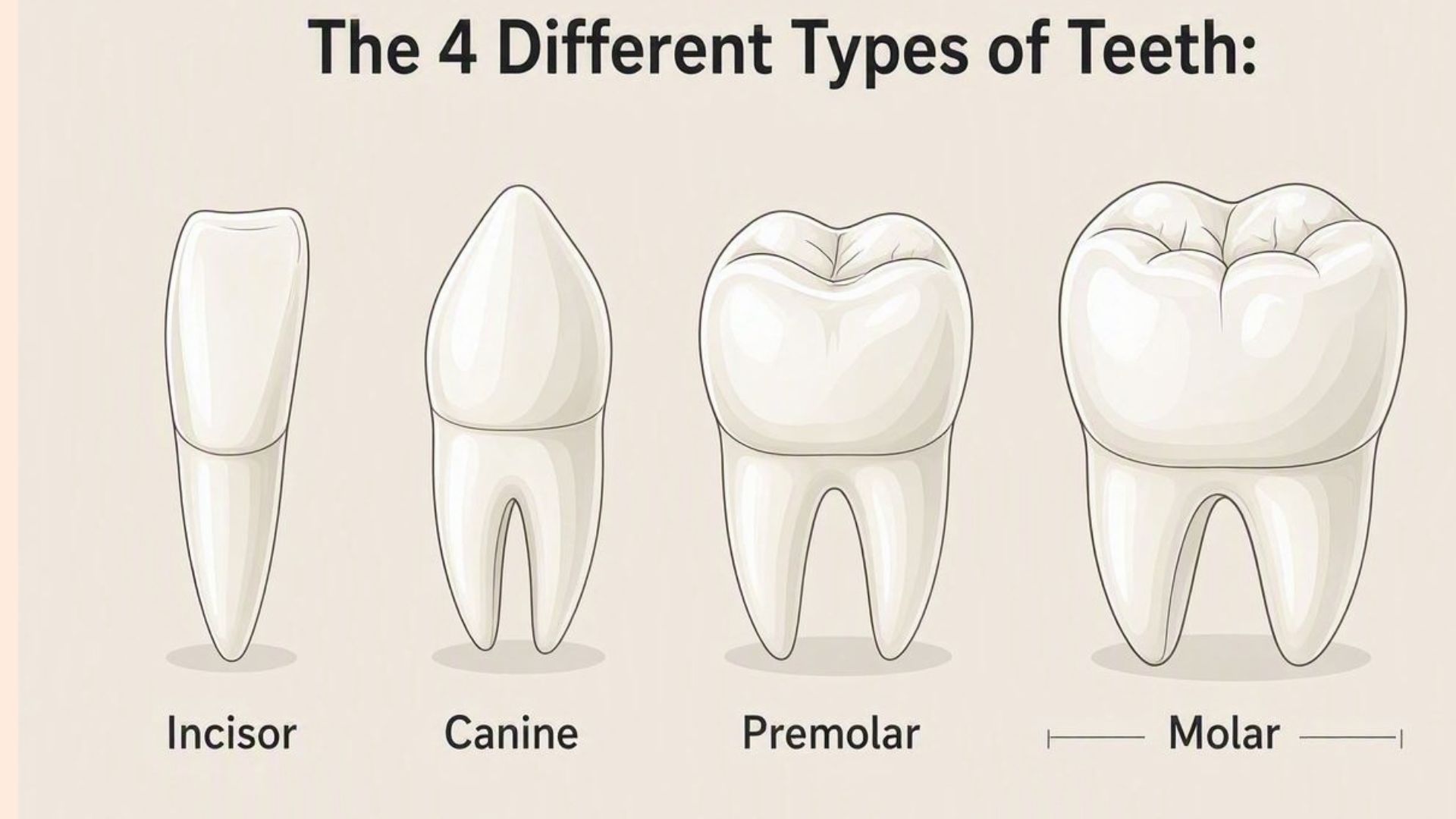
If the discoloration shows up quite suddenly, or it comes with pain, sensitivity, swelling, or any other odd symptoms, it’s better to see a qualified dentist first, not just depend on cosmetic products alone and It is important to clean all types of teeth properly to remove plaque and harmful bacteria and help preventive tooth decay, gum disease, and other oral health problems.
Frequently Asked Questions
Are yellow teeth always unhealthy?
No. Yellow teeth could not be naturally colored because dentin is yellowish and becomes more visible as enamel things with age. Surface stains are another common explanation for discoloration in adults.
Does coffee permanently yellow teeth?
Coffee, tea, and cola contain pigments that could stain in enamel over time when you use them many times with frequent use. Drinking water afterward and maintaining good oral hygiene could help reduce visible staining somewhat.
Can brushing remove yellow teeth?
Brushing helps remove plaque and some surface stains but cannot change the natural color of dentin or remove hardened tartar. Professional cleaning would be needed for stubborn deposits or buildup.
Is teeth whitening safe?
Dentist supervised whitening is generally understood that it is safer than unregulated DIY methods. Properly used treatments could cause temporary sensitivity or gum irritation, so professional guidance would be useful for suitable candidates.
When is yellowing a dental concern?
Sudden discoloration, especially affecting one tooth, deserves a dental checkup. Pain, sensitivity, swelling, decay, trauma, or persistent color changes could show an underlying dental problem that needs treatment.